
Developing a Participation Strategy

The following will help you develop a Participation Strategy and approach, for your planned work. This doesn’t need to be a large or complex document; it just has to be sufficient to ensure that you have a clear purpose and process, with a robust plan to support delivery.
Underpinning everything is having a clear understanding of the high-level purpose behind the work:
- Why? – What is the reason behind this piece of work? What is the driver behind it?
- What are the desired outcomes? – What difference is being sought, what changes need to happen?
A strategy helps to keep participation activity focused and aligned to the purpose and desired outputs from the work being done. It is an effective way of identifying:
- Opportunities for participation
- Participants
- Timeframes for participation activity
- The best methods of participation.
Planning Participation Activities
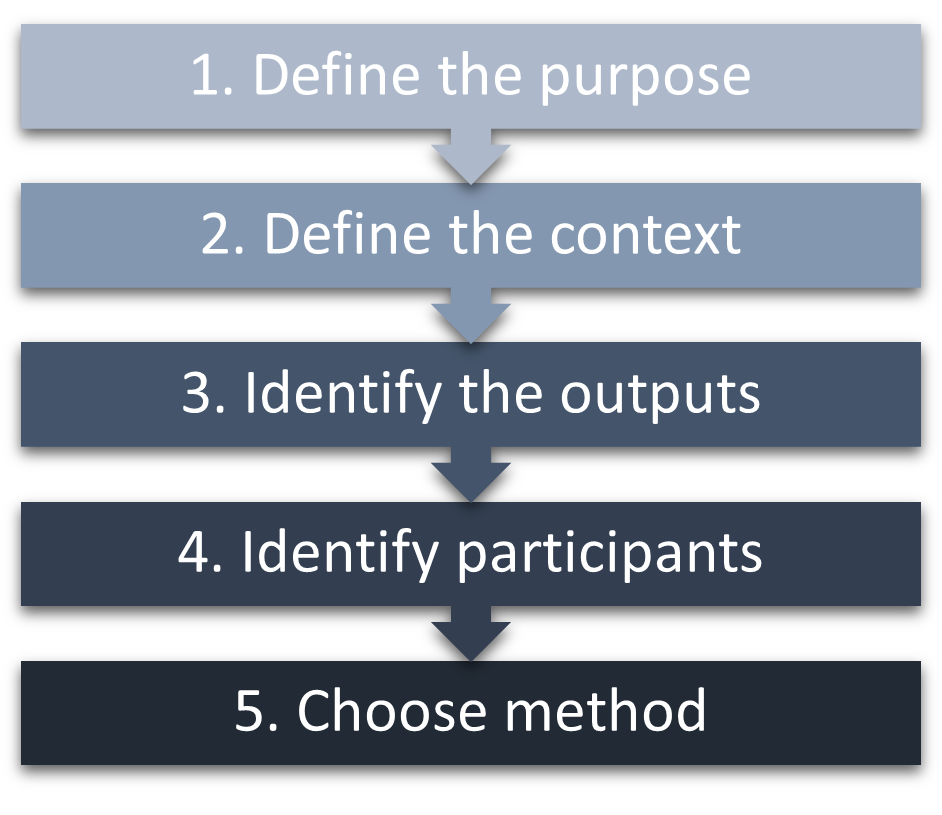
Figure 1: a 5-step framework for planning engagement activities
Participation can range from small-scale, to a much larger exercise with multiple strands and methods. Once the purpose is understood, the 5-step framework in Figure 1, can be used to take steps to think about the practical elements of carrying out participation activity. The 5 steps in the framework are as follows:
- Define the purpose (Why?)
- Define the context (and opportunity)
- Identify the outputs (What?)
- Identify participants (Who?)
- Choose method (How?)