
Protected Characteristics Focus Groups
Methods, Participation and Barriers
Method of Engagement and Reason Chosen
Focus group discussions were the main method chosen, mostly taking place at events or meetings which were already happening in the community. This was useful as the team went to where people were already comfortable, and there were already facilitators of those groups who could help with planning. In addition, one local group included questions in their survey which was used to inform the report. Focus groups were chosen because face-to-face conversations to gather experiences was important to the team; and it was also useful to meet with facilitators of those groups to help with planning. Focus groups also allowed the team to be adaptable to the conversations.
The team had conversations with community groups and collaborated with other services to learn about their upcoming events. They then requested to attend and hold sessions to discuss the challenges and opportunities individuals face regarding discrimination and disadvantage, while also gathering their thoughts on potential improvements.
A guide was created for all focus groups, to ensure the method used was consistent. The guide was altered to be more user friendly for certain groups, such as altering text to be as inclusive, accessible and understandable as possible.
Participants
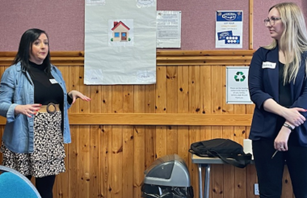
Participants of the focus groups included members of the public who have at least one protected characteristic. Eight focus groups were held from October to December 2024. One local group included questions in their survey which was shared with the team. This survey was open to the public and received 58 responses.
Overcoming any Barriers to Participation
The team collaborated with existing organisations and service providers to engage with people in their own spaces rather than organising separate events. This approach allowed the team to connect with a wide range of individuals through established services and community groups.
By attending events that were already taking place, the team eliminated concerns about scheduling, transportation, or venue accessibility. Instead, the focus was on tailoring the focus group guide to meet the specific needs of the protected characteristic groups the team engaged with. For instance, when working with facilitators of disability-focused groups, the team adapted their guide and communication style to be more inclusive. This included incorporating visual prompts, using more open discussions, and modifying language to enhance clarity and accessibility.