
Building Community Resilience
Method, Participation and Barriers
Method of Engagement and Reason Chosen
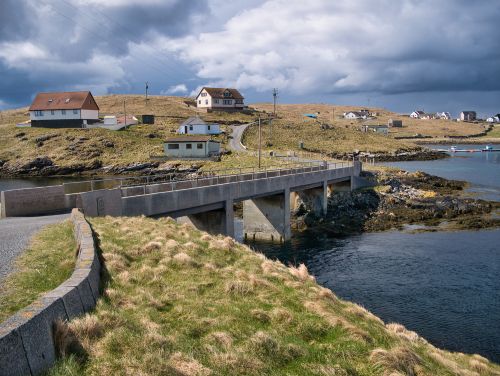
Figuring out where to begin and what to do was not difficult; it was an organic process of looking at what each island had, what they were not set up for and where there was less knowledge in relation to emergencies. Pre-existing issues logs, that are kept up to date by the Community and Development Officers, were the starting point for approaching island resilience.
Representatives of MLT and emergency services visited the islands in person. Being on the island and meeting people in their own environment allowed partners to see and experience how the communities work, while discovering their needs and their understanding of safety and resilience. It allowed them to gain accurate, first-hand accounts of the resilience situation and the islanders could feed back information and ask questions in person. Some partners also went into schools on the islands to talk to the children.
Participants
Participants included the islands’ residents, MLT, Shetland Islands Council’s Community and Development Officers, the emergency services teams, the island representatives and some of the island schools.
Overcoming any Barriers to Participation
All members were representing the wider partnership and were committed to making sure that if there were any questions they could not answer, they would get that information from those that could and feed it back to the island communities. The Community Involvement and Development Officers from Shetland Island Council were particularly important during the participation outreach. They have strong, long-established relationships with the communities, which helped the emergency teams make contact and arrange meetings.