Freya

Freya's Story

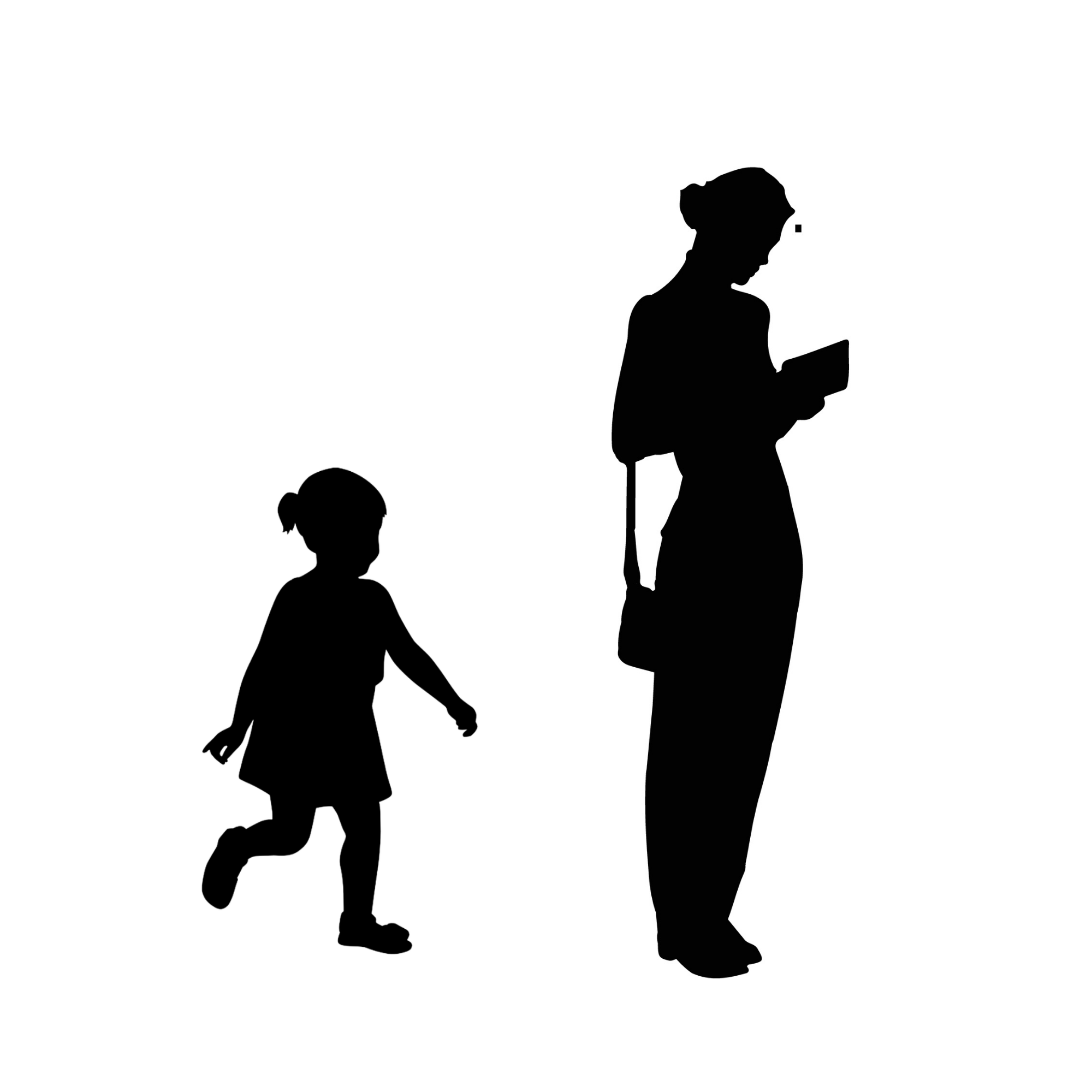
Silhouette of Freya

“I’m Freya, and I’m five. I live in a remote part of Shetland with my mum, dad, and little sister. There’s lots of space around us, and everyone knows each other. It’s friendly, but sometimes it feels far away from everything.

My parents both work, but I know it’s hard and things cost more where we live. We only have one car, and Dad needs it for work, which makes things tricky for Mum.

Sometimes I go to work with Mum at the café. I sit quietly and draw while she works. I like it, but she says it’s stressful trying to manage everything at once.

We own our home, but it can get very cold. Heating is expensive, so we use different things like wood, peat, and even paper bricks. Sometimes the weather gets inside, and we all sleep together to keep warm.

School holidays are hard because there’s no childcare nearby, and Mum says that makes work difficult. I know my parents worry about money and planning, even if they don’t talk about it much.

I feel safe and loved, and I like my home. But I can tell my parents are always trying hard to keep everything working, like they’re always balancing something just out of sight.”

Freya at a glance

Settled on the surface. Stretched underneath.

Section Content
Home and family Freya lives with her parents and younger sister in a remote, owned home, surrounded by open land, quiet roads and familiar neighbours.
What daily life feels like Childhood feels mostly settled. She walks to school, knows everyone, and sometimes spends school holidays at her mum's café - drawing and chatting to tourists while her mum works.
Pressures behind the scenes Two jobs, one car, no wraparound care and costly heating stretch the family thin. On top of no extra money or savings to make repairs to their deteriorating home.  Their disposable income is around £22,204 a year, yet living in this part of Shetland can add up to 60% to costs compared with a UK urban area - leaving almost no room for the unexpected.
What helps Owning their home offers some stability. Collecting driftwood, pallets and cutting peat helps reduce fuel bills. A friendly community, local school and hall events give the girls a sense of connection and belonging.
What this child shows us Freya shows how rural distance, fuel costs, childcare gaps and poor housing condition can pull families close to the edge - even when they appear settled and are not in any obvious crisis.

Read Freya's story in full


Our Seven Children in 2043

By 2043, the seven children—now all 22—have grown into adulthood within a Shetland that has changed significantly. Wetter winters, stronger winds, and a shifting population have shaped not only the environment around them, but their opportunities, choices, and wellbeing. Their lives reflect how inequality has widened over time, with early childhood circumstances continuing to influence where they each stand.

Read about Freya at 22