
Equalities Research

Gathering insights to shape a more inclusive Shetland
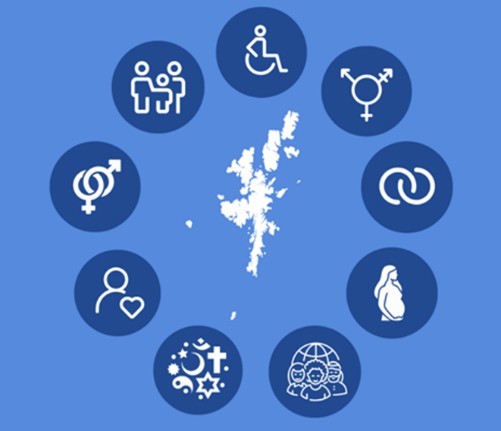
Between October and December 2024, Shetland Islands Council and Shetland Integration Joint Board held Focus Groups to gather experiences of discrimination and suggestions for improving community relations from people with Protected Characteristics. The findings have informed the 2025/29 Equalities Outcomes Reports for Shetland Islands Council, the Education Authority, NHS Shetland, Shetland Integration Joint Board, ZetTrans, and Shetland’s Licensing Board, as required by the Equality Act 2010. The reports outline actions to eliminate discrimination, advance equality, and foster good relations within Shetland.
The above organisations share the same strategic outcomes:
- Decision-makers and staff have access to good quality evidence (data and lived experience) to inform service improvement
- Equality Impact Assessments are a meaningful tool to reduce discrimination and disadvantage
Each organisation has tailored its specific equality outcomes to reflect its own context and priorities. The Integrated Joint Board report can be found here, Shetland Islands Council report here and ZetTrans here.
The team aimed to ensure local voices were heard by gathering lived experiences from people with protected characteristics. They looked to identify main issues, challenges, and opportunities for people in Shetland. Initially, staff from the Council’s Community Planning service and NHS Shetlands Planning and Policy service reviewed existing data, such as Census data, and created Protected Characteristics profiles to start discussions.
To reach those with Protected Characteristics, the team collaborated with local groups such as Ability Shetland, COPE, Shetland Women’s Aid, Shetland Interfaith, OPEN, and the Youth Voice Executive. These organisations helped facilitate focus groups, offering advice and inviting the team to their meetings. For example, with one group, the researchers were made aware that the format would need adapted slightly in order for it to work for the participants. The researchers made the focus groups more interactive, which worked well and was applied to other groups. Despite efforts, the team couldn't reach all protected characteristic groups (gender reassignment and sexual orientation), but ongoing engagement continues.
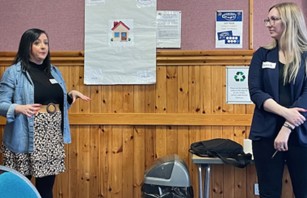
Although the reports, including the planned actions, were published at the start of the next financial year, early discussions sparked additional conversations about potential improvements. Building on the success of a Council staff disability focus group, which gathered lived experiences from staff to contribute to the report, there are plans for ongoing focus groups, providing staff with opportunities to see how their input influences policy. Plans also include improving communication around the Family Leave Policy and linking it with other relevant policies. Making information inclusive and accessible was a common theme across most focus groups. As a result, the Council is aiming to create a dedicated accessibility webpage on its website, which will include guidance to help people access online content and use assistive technologies such as screen readers and magnifiers. Detailed findings will be shared with various Council services and strategic partnerships to raise awareness of the issues identified and work towards improving services.
The team learned the importance of adaptability and having a consistent guide to structure the focus groups. They valued working with other organisations and meeting people where they are, which encouraged openness. Participants appreciated the chance to discuss issues, and one organisation praised the openness and diversity of contributions and commented that the team engaged in a genuinely interested and respectful way.
The researchers felt that discussions went well, with communities willing to share experiences. Using existing organisations to reach communities was crucial and holding the focus groups in familiar spaces fostered trust. For future research, the researchers feel that exploring different methods with harder to reach groups would be beneficial.
Contribution to the Shetland Partnership
- Participation: Involving people with protected characteristics in shaping services and policies.
- People: Reducing disadvantage and improving inclusion across Shetland.
- Place: Making services more accessible and welcoming for all communities.
- Money: Ensuring equal access to employment, education, training, and services.